It’s been said that writers find their voice, but that’s not my experience. My voice isn’t something I’ve had to find; I’ve never lost it or searched for it. My main problem is not liking the sound of my voice.
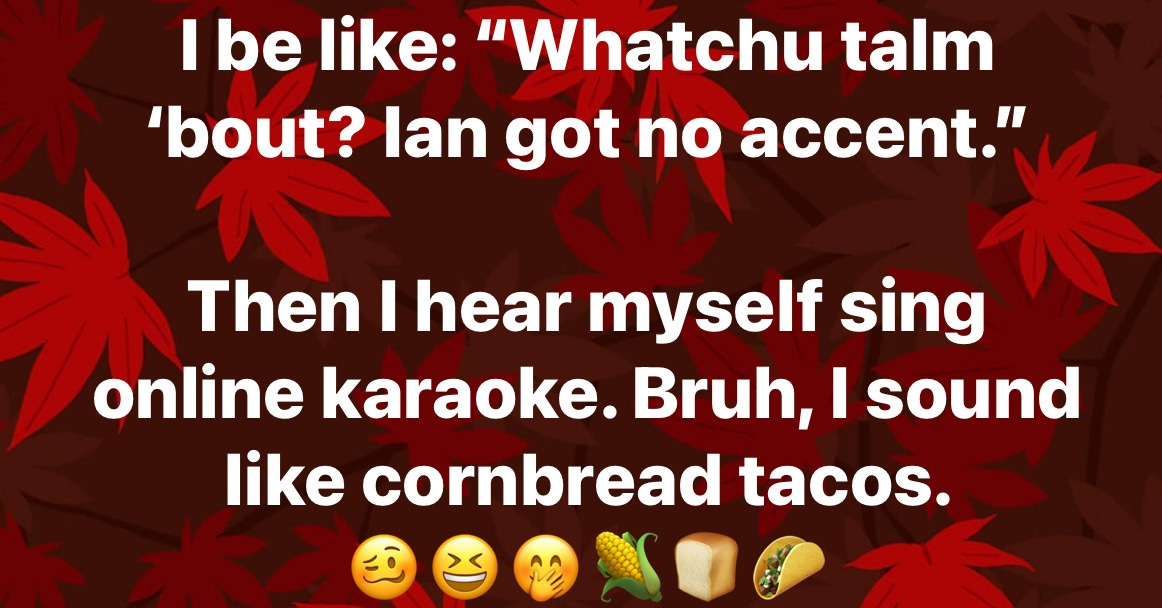
So, I write. My voice has always been there, but it’s been overshadowed by self-doubt, procrastination, perfectionism, many perceived ‘rules’ about what a writer should be, and coated in a sassy, southern twang. Writing is my attempt to navigate through these obstacles and rediscover my voice. And I invite you to join me on this journey.
1. The Myth of Perfectionism
I’ve been operating under the illusion that my writing must meet specific standards—sophisticated, profound, appealing to a broad audience, and deserving of praise. Perhaps it’s my background in education, where I hold myself to a higher standard than I do others. Or maybe it’s my analytical nature, where I dissect every word like a clue in a crossword puzzle. I’ve since realized that perfection isn’t a voice—for me, it’s a muzzle.
For instance, in the first draft of the post you are now reading, I poured my heart onto the page only to delete it because it didn’t feel ‘serious’ enough. It had humor, a touch of sarcasm, and a little messiness—basically, me on the page. I wrote the way I’d speak when conversing with a friend. Then I thought, ‘Ain’t nobody gon take this seriously.’ The thing is, I don’t need to be taken seriously. Much like a conversation with a friend, I long to be felt and heard, even by an audience of one.
2. Embracing Curiosity and Experimentation
Uncovering your voice is messy. It means writing things you’re not sure anyone will care about. It means leaning into the parts of yourself you’ve been told to tone down. It’s been about mixing my love of humor with my instinct for deep thought, weaving mischief into meaning, and flossing my BLERDness with courage and passion.
I don’t have to fit into a box. I can write about the intersection of true crime documentaries and Blackness one week and a deeply personal essay on vulnerability the next. It’s me; I am the throughline—my curiosity, my humor, my empathy.
3. The Role of Vulnerability
Writing is an act of vulnerability for me. Uncovering my voice permits me to be honest, raw, transparent, and imperfect on the page. As scary as it is to work through dread and self-doubt, the journey is liberating and an empowering testament to our courage.
When I started this blog, I didn’t know if my posts would resonate with anyone. What I knew was that I wanted to be honest about writing, life, and the often strange yet beautiful, messy process of being human. The more I lean into that honesty, the more I feel I’m unveiling my voice.
 Bontifficating