
If you ain’t peeped game yet, the Super Bowl halftime show ain’t just about music anymore. Over the years, it’s become a stage where some of the biggest artists in the world slip in a message, a protest, or straight-up cultural defiance—right in front of one of the most mainstream, corporate, and historically conservative audiences in America. And the best part? It keeps getting bolder.
But how did we get here? How did a performance that used to just be marching bands and feel-good pop moments turn into something that forces America to look in the mirror? Let’s run it back.
1. Michael Jackson (1993) – The Blueprint for Something Bigger
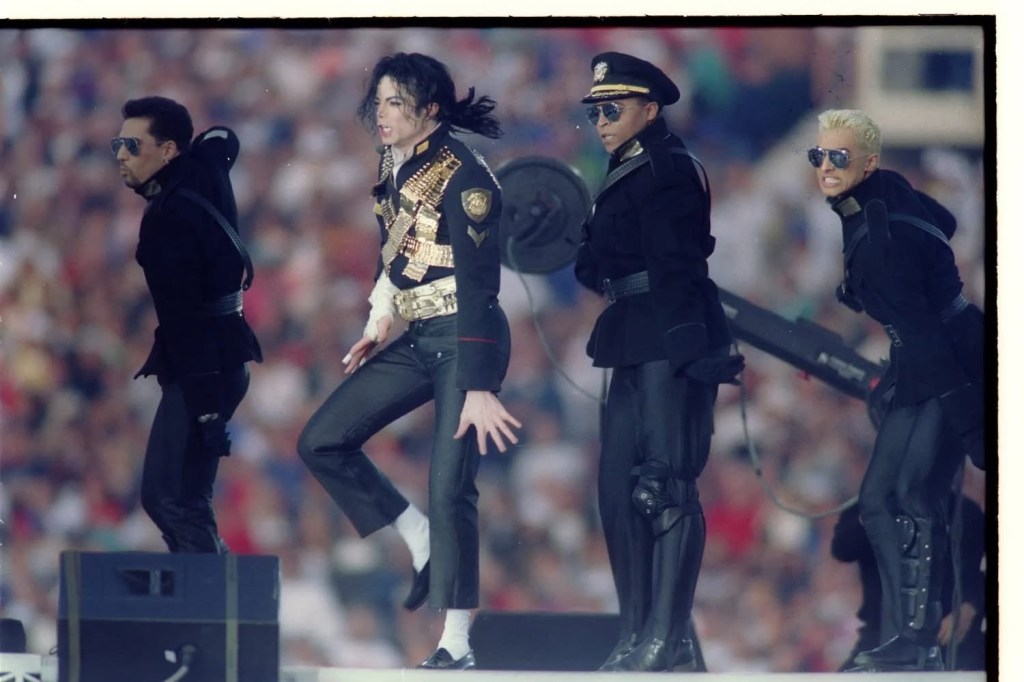
Before MJ touched the stage, Super Bowl halftime shows weren’t even a thing—just a lil’ break for snacks and bathroom runs. But when he opened with a dramatic, motionless stare into the camera, commanding an entire stadium’s attention before launching into Black or White and Heal the World, he changed the game.
MJ wasn’t just entertaining; he was making a global statement about unity, anti-racism, and humanitarianism. In a country that had just endured the LA Riots the year before, that was a moment. He was reminding the world that Black culture is American culture, and if America wanted to claim him as their “King of Pop,” they had to claim the message, too.
2. U2 (2002) – A 9/11 Tribute with a Nationalist Undertone

The nation was still raw from 9/11. U2’s setlist—Beautiful Day, MLK, and Where the Streets Have No Name—was pure grief and resilience wrapped in rock & roll. But the real statement? The names of 9/11 victims scrolling behind them like a modern-day Vietnam Memorial, and Bono opening his jacket at the end to reveal an American flag.
Was it emotional? Absolutely. But also, a very calculated moment of patriotism, framing America’s pain as a unifying force. Given how 9/11 was already being used to justify wars and surveillance policies, this halftime show—whether intentional or not—played right into the era’s post-tragedy nationalism.
3. Beyoncé (2016) – Black Power at the Super Bowl? Oh, the Audacity.

This was the moment that had conservatives frothing at the mouth. Beyoncé came out in a Black Panther-inspired fit, her dancers rocking afros and berets like they were straight outta 1968. And the song? Formation. The same track where she sings about loving her “Negro nose” and references Hurricane Katrina?
Beyoncé was NOT playing. This was Blackness, unfiltered, unbothered, and unapologetic—right in front of a country that only tolerates Blackness when it’s profitable or palatable. She knew exactly what she was doing, and the backlash proved it. Police unions even called for a boycott, because apparently, singing about police brutality and Black pride was too radical for a halftime show.
4. Lady Gaga (2017) – “Subtle” Shade in the Trump Era

A year after Beyoncé set it off, Lady Gaga pulled a move that was quieter but still loud if you were paying attention. She opened with This Land Is Your Land, a song often used as a protest anthem against oppression. Then she slipped Born This Way into the mix, a direct nod to the LGBTQ+ community at a time when Trump’s administration was rolling back LGBTQ+ protections.
She didn’t outright call out Trump, but her setlist spoke for itself. The message? America belongs to all of us. Deal with it.
5. Shakira & Jennifer Lopez (2020) – Latin Pride & the Immigration Crisis
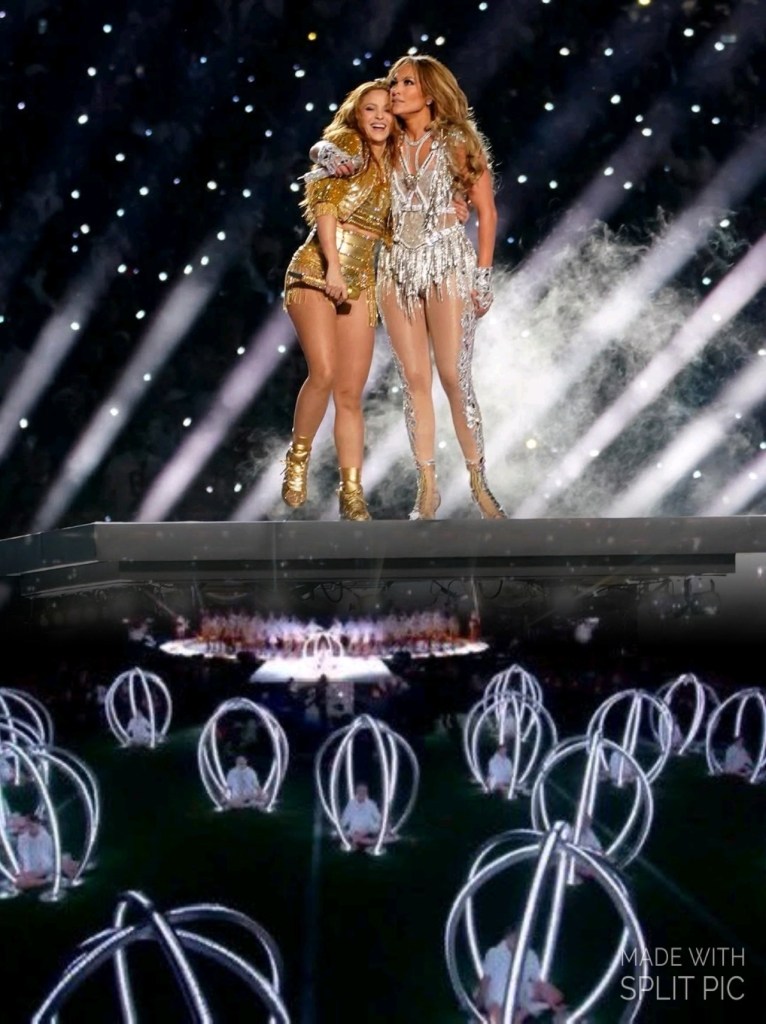
Now THIS was one for the culture. Shakira and J.Lo weren’t just celebrating Latinx excellence—they used their moment to highlight the struggles of their communities.
- J.Lo’s daughter sang Born in the USA while kids sat in glowing cages—a direct reference to Trump’s immigration policies and the children detained at the border.
- Shakira, a Colombian-Lebanese artist, showcased Arabic influences in her dance, subtly reminding folks that Latinx identity is deeply diverse.
- And J.Lo throwing on that Puerto Rican flag cape? A moment. Given how Puerto Rico has been treated by the U.S. government (read: like an afterthought), that was a statement of identity and resistance.
6. The Weeknd (2021) – Capitalism & Celebrity Culture
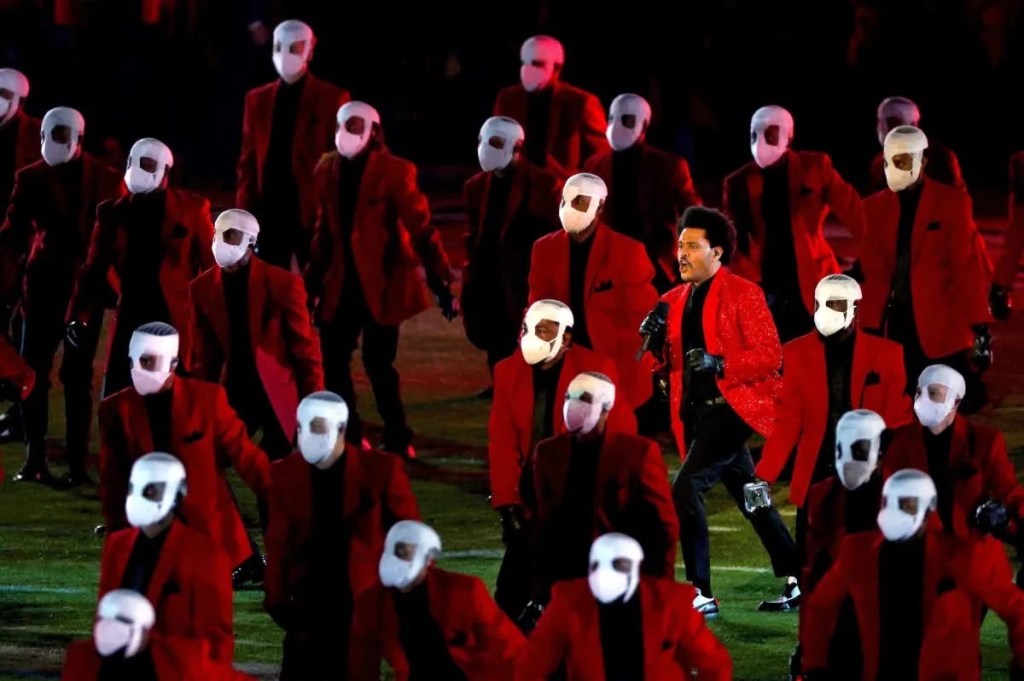
At first glance, The Weeknd’s show didn’t seem political. No speeches, no overt references. But the message? It was all in the visuals. The entire performance mirrored themes from his After Hours album—fame as a machine, capitalism as a trap, and the media as a force that distorts reality.
The red-jacket clones, the chaotic funhouse, the dizzying camera angles—it was all designed to feel like being lost in Hollywood’s illusion. And given how the Super Bowl itself is the pinnacle of corporate entertainment, The Weeknd critiquing the industry while performing in its biggest event? That’s subversive as hell.
7. Dr. Dre, Snoop, Eminem, Mary J. Blige & Kendrick Lamar (2022) – Hip-Hop’s Grand Coronation
For years, the NFL treated hip-hop like a liability. Now, it was the headliner. This show wasn’t just entertainment—it was a cultural reclamation.
- Eminem taking a knee? Was it a nod to Colin Kaepernick or out of respect for Tupac? Yes!
- Kendrick performing Alright? That song is a Black Lives Matter anthem.
- Snoop crip-walking and throwing up gang signs unapologetically, after decades of the NFL demonizing hip-hop culture? Iconic.
This wasn’t just a halftime show. It was hip-hop demanding its place at the table.
8. Rihanna (2023) – The Soft Power of Black Motherhood
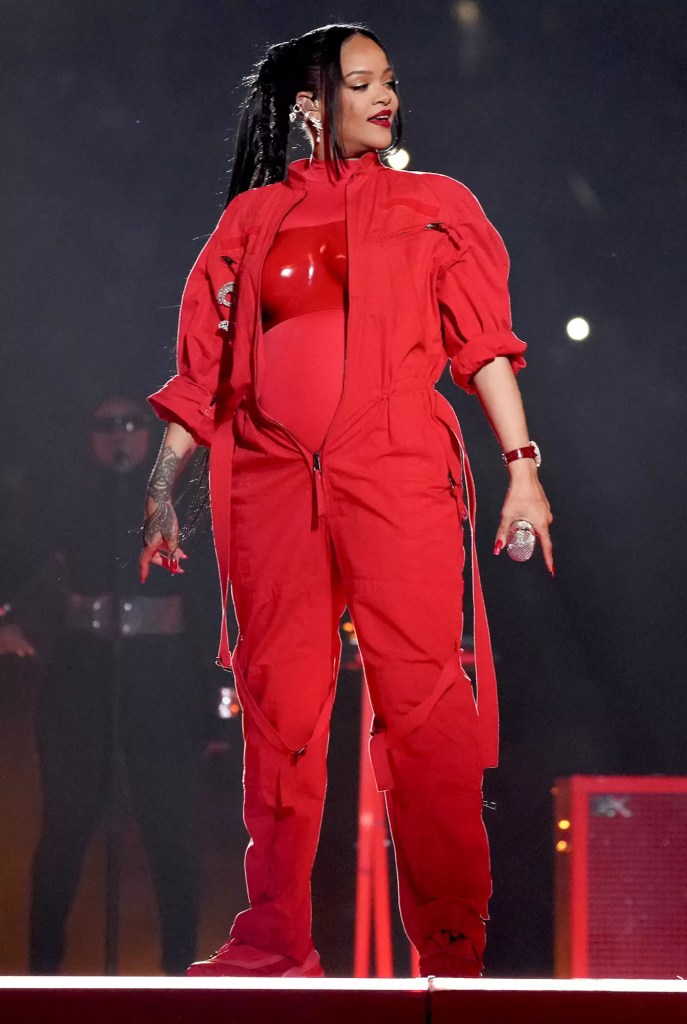
Rihanna came out glowing—literally. She revealed her pregnancy mid-show, turning Black motherhood into a statement of power and autonomy.
In a country where Black maternal mortality rates are sky-high, where reproductive rights are constantly under attack, her presence alone was political. No guests, no theatrics—just her, owning her moment, taking up space.
9. Kendrick Lamar (2025) – Patriotism, Gang Unity & Black Identity

And now, Kendrick. The man who can make even a Super Bowl performance feel like a dissertation on America’s contradictions.
- Uncle Sam calling the dancers “too ghetto”—an audio-visual entendre on respectability politics and who gets to be seen as American.
- Red and blue dancers moving together—a nod to gang unity and the struggle to break free from systemic cycles.
- The American flag formed by POC dancers—a reminder of who actually built this country.
- Backup dancers in baggy garb, a fully clothed SZA, and a Crip-walking Serena Williams—this wasn’t just a spectacle; it was a message. In an industry that often reduces Black women to our bodies, Kendrick’s halftime show was a quiet rebellion. Hip-hop, a genre that has both uplifted and objectified Black women, was confronted with a different narrative: one where our presence isn’t dependent on being hypersexualized. And Serena? Her dance, once criticized as ‘inappropriate’ when she celebrated a Wimbledon win, was now center stage—reclaimed, recontextualized, and unapologetic.”
Kendrick didn’t just put on a show. He held up a mirror, and whether America liked what it saw or not? Deal with it or “turn the TV off.”
Why the Super Bowl Keeps Getting More Political
The NFL tried to shut politics out—blackballing Kaepernick, discouraging protests—but the artists? They said nah. The Super Bowl is America’s biggest stage, and when you give creative people that kind of platform, they gon’ say something real.
And that’s the truth about entertainment now—it’s not just about escape. It’s a battlefield. A mirror. A microphone.
And as long as America keeps pretending that sports and politics don’t mix? Artists will keep proving them wrong. Some folks might say, this ain’t the time or the place. Maybe. But riddle me this—what would you say if the whole nation was locked in, hanging on your every word? If your people been screaming into the void, and you’ve been handed the mic on the biggest stage in America, with the whole world tapped in, would you really stay silent?
 Bontifficating